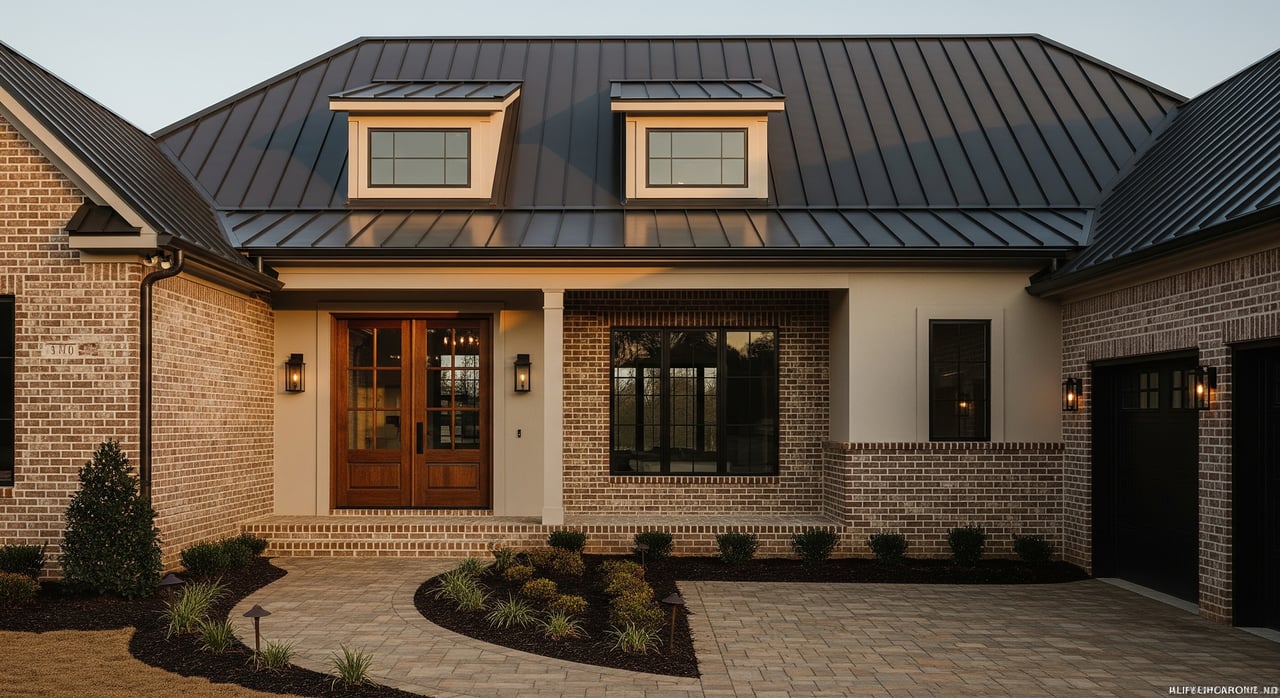
Buying a new construction home in Huntsville or Madison feels exciting, but the builder warranty can be confusing. You want peace of mind that if something goes wrong after closing, you will know who to call and what is covered. This guide breaks down how builder warranties typically work here, what to inspect and when, and how to document issues so your claims get handled. Let’s dive in.
What the 1-2-10 warranty means
Most builders in North Alabama follow the industry-standard 1-2-10 structure. While every contract is different, this is the common baseline you will see in Huntsville and Madison.
- 1 year: Workmanship and materials for non-structural items such as paint, trim, cabinetry, flooring installation, doors, and windows.
- 2 years: Major systems like electrical, plumbing, and HVAC installation defects. Routine maintenance and manufacturer issues are not covered by the builder.
- 10 years: Major structural defects that affect the load-bearing components or habitability. This typically includes the foundation, framing, beams, and load-bearing walls.
Many builders use a third-party warranty administrator to manage claims, and some offer prorated or extended options. Always read the warranty booklet and your purchase agreement to confirm definitions, time limits, and caps. The exact language controls what is covered and how claims are handled.
What is covered vs. not covered
Typical inclusions
Under the first year, you can usually address visible workmanship issues such as:
- Paint and drywall cracks or nail pops
- Cabinet alignment and finish problems
- Caulking and grout issues
- Door and window operation concerns
- Flooring installation defects
From year 1 to year 2, coverage focuses on installation-related issues with major systems. If an electrical circuit trips repeatedly or a plumbing line was installed incorrectly, the builder may address that. Manufacturer warranties typically cover appliances and certain HVAC components, while the builder covers installation.
Structural coverage from years 3 to 10 is narrower by design. It targets major structural defects that affect safety or the load-bearing integrity of the home. These claims are often subject to strict definitions and monetary caps.
Common exclusions and limits
Expect to see exclusions for normal wear, homeowner neglect, or third-party modifications. Other common exclusions include:
- Damage from severe weather, flooding, pests, or environmental factors unless explicitly covered
- Code updates that occurred after your home was built
- Consequential damages such as hotel costs during repairs
- Routine maintenance tasks like filter changes and caulking renewal
Many warranties limit liability to repair rather than replacement. Review the fine print on dollar caps, proration, and what qualifies as a major structural defect. Knowing these details helps you set realistic expectations.
Inspections still matter
A builder warranty does not replace independent inspections. Inspections document your home’s condition, reveal items that are hard to spot in a walk-through, and create evidence for any claims you need to file later. A third-party inspector can flag problems such as improper flashing, insulation gaps, ductwork issues, or grading concerns.
Recommended timeline
Use this timeline to stay ahead of deadlines and protect your warranty rights:
- Pre-closing final walkthrough: Create a punch list of visible issues. Get written acknowledgement from the builder with an expected timeline for repairs.
- First week after move-in: Note anything new that arises, such as HVAC performance concerns, leaks, or sticking doors.
- 30 to 60 days: Many builders schedule a check-in. Add any emerging issues and confirm the agreed repair plan.
- 6 months: Optional, but helpful in our humid climate to assess moisture control, HVAC function, and exterior sealants.
- 11 months: Schedule a professional 11-month inspection before the 1-year workmanship coverage ends. This is your last best chance to capture finish and fit items under the first-year coverage.
What to check
During walkthroughs and inspections, focus on these areas:
- Exterior and site: Grading and drainage, roof flashing, gutters, exterior cladding, caulking, and foundation cracks
- Interior: Walls and ceilings, flooring, cabinet alignment, paint, doors and windows, and any evidence of moisture
- Systems: HVAC cycling and airflow, visible plumbing leaks, water heater function, electrical panel labeling and GFCI/AFCI operation
- Appliances: Capture serial numbers and warranty documents
- Structure indicators: Doors that will not latch, significant cracks, sagging floors, or stair movement
How to document and file claims
Detailed documentation speeds resolutions. It also helps your builder or warranty admin understand the issue and schedule the right trade.
Build a punch list
- Use the final walkthrough to create a written punch list. Ask the builder to sign or email back written acknowledgement and a repair timeline.
- Take date-stamped photos and videos, including close-ups and wider context shots.
- Keep copies of the warranty booklet, contract pages describing coverage, closing documents, appliance manuals, and serial numbers.
- Save all emails and notes from phone calls. If your contract requires certified mail for formal notices, follow that process and keep delivery receipts.
Submit a claim
- Notify the builder or third-party warranty administrator in writing as soon as you find a defect. Include a clear description, discovery date, location, and photos or inspection reports.
- Allow access for inspection and repair. Ask for written confirmation of the repair timeline.
- If the issue involves a manufacturer component, contact the manufacturer and save those communications.
- If the builder declines or delays, request escalation to a warranty manager or the third-party administrator. Know your contract’s dispute steps.
Maximize success
- Use the 11-month inspection to capture all finish and fit items before the first-year window closes.
- Keep a repair log with dates, company names, and outcomes.
- Be polite and persistent. Clear documentation and timely communication make it easier for the builder to act.
Local Huntsville factors
Climate and systems
North Alabama’s hot, humid summers and mild winters put special demands on HVAC and moisture control. You will want to confirm proper HVAC sizing and commissioning, adequate attic insulation and ventilation, and correctly installed vapor barriers. Exterior grading should channel water away from the foundation to prevent intrusion and long-term settling.
Permits and records
New homes must pass city or county inspections during construction. You or your agent can request copies of permit and inspection records from local building departments in Huntsville or Madison County. These records help you confirm code compliance and provide context for warranty questions.
Common regional issues
In our area, watch for HVAC short cycling or refrigerant leaks, seals around windows and doors that need adjustment, and drainage patterns that change as landscaping settles. Early attention and documentation will help you claim repairs under the correct coverage period.
Coverage limits, disputes, and transfer
Limits and dispute steps
Warranties often include dollar caps and may limit remedies to repair rather than replacement. Many contracts also include mediation or arbitration requirements. Before you escalate, review the dispute resolution section in your agreement so you follow the correct path.
If you believe your builder is not honoring the warranty, escalate in writing through the builder or the third-party administrator. You can also seek guidance from the Huntsville/Madison County Home Builders Association or the Alabama Home Builders Association for member-related issues. The Alabama Attorney General’s Consumer Protection Division accepts complaints and may offer guidance. Small claims court or a civil action might be options, but arbitration clauses could set a different route.
Transfer to future buyers
Many builder warranties are transferable, sometimes for a fee or only once. The warranty booklet spells out transfer rules and deadlines. If you plan to sell within a few years, confirm whether your warranty will follow the home to the next owner and what steps you must take to keep it valid.
New build vs. resale: the bottom line
Builder warranties reduce risk, but they do not replace inspections or careful record-keeping. The 1-2-10 framework provides useful protection if you document early, follow the claim process, and schedule that 11-month inspection. In Huntsville and Madison’s climate, paying extra attention to HVAC performance, moisture control, and drainage will save you headaches later.
If you want a local sounding board who understands new construction, punch lists, and how to position a home for resale, reach out to Kenyala Hicks. With hands-on renovation experience and regional market insight, you will get practical guidance from contract to closing and beyond.
FAQs
What is a builder warranty for new homes in Huntsville?
- It is a contract that typically provides 1-year coverage for workmanship, 2-year coverage for major systems installation, and up to 10-year coverage for major structural defects, subject to defined limits and terms.
What does the 1-year workmanship period usually cover?
- Visible finish and fit issues such as paint, drywall, trim, cabinetry alignment, flooring installation, and door or window operation, excluding normal wear and homeowner-caused damage.
Do you still need a home inspector for new construction?
- Yes, independent inspections document the home’s condition, reveal hidden defects, and provide evidence for claims, especially at pre-closing and the 11-month mark.
How do you file a builder warranty claim effectively?
- Notify the builder or warranty administrator in writing with photos, dates, and locations; allow access for inspection; and confirm a repair timeline in writing while maintaining a detailed repair log.
What should you do if the builder is unresponsive?
- Escalate in writing to a warranty manager or third-party administrator, review your contract’s mediation or arbitration steps, and consider local consumer resources such as the state Attorney General’s office.
Are builder warranties transferable when you sell in Madison?
- Many are transferable, sometimes with a fee or a one-time limit; check the warranty booklet for the exact rules and any deadlines you must meet to keep coverage intact for the next owner.